Labour's Pakistani Power Brokers
How Labour's Denton and Gorton Strategy Reveals the Real Party of Division
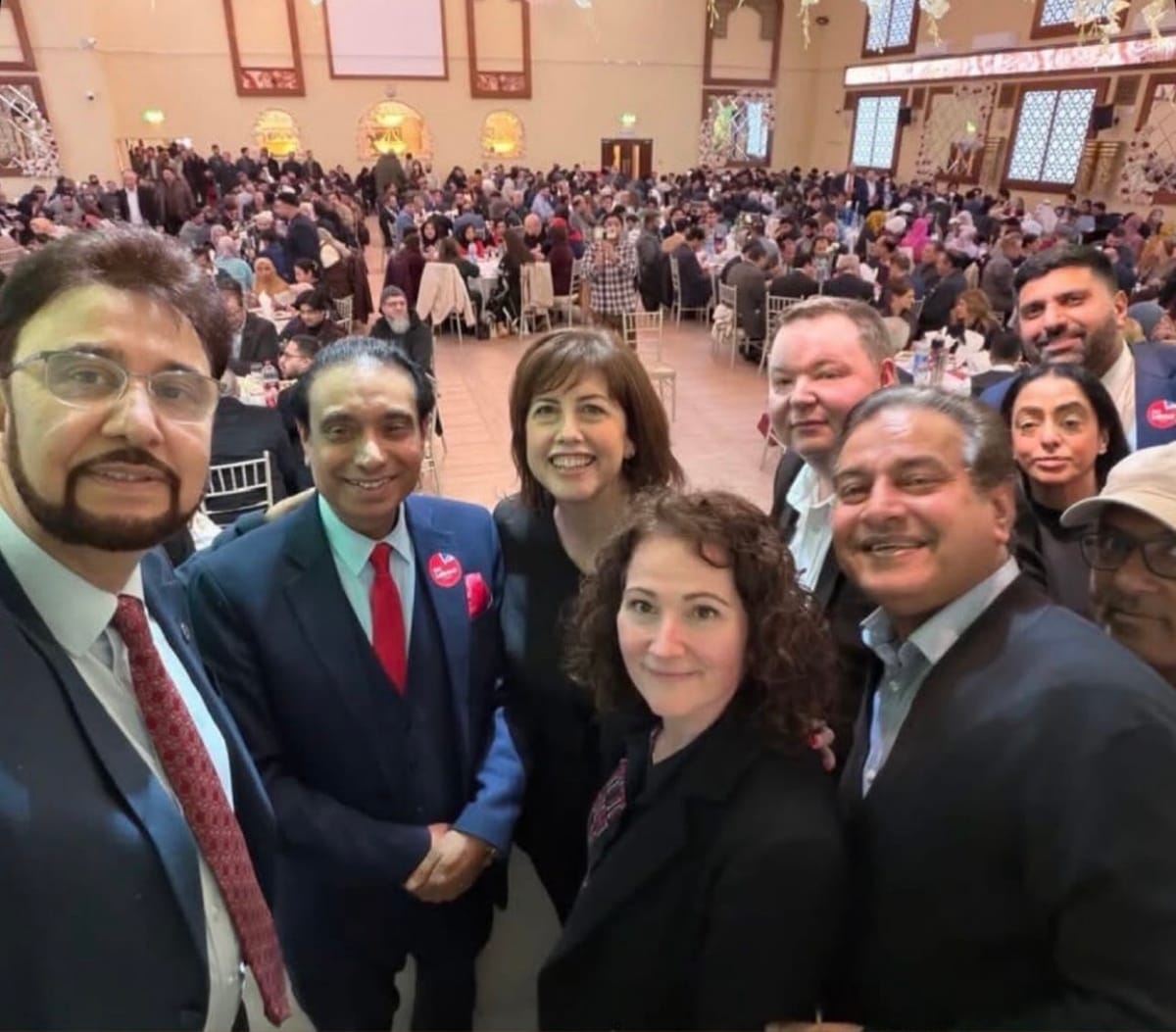
Last night, Labour moved to lock down the Pakistani vote in Denton and Gorton. The Greens thought they could prise that support away by mobilising pro-Gaza activists and Islamist-aligned campaigners. They misread the terrain completely. They assumed ideology would override the local power brokers who deliver the vote.
It doesn't matter if you play dress up wearing a headscarf. The bloc vote doesn't work like that.
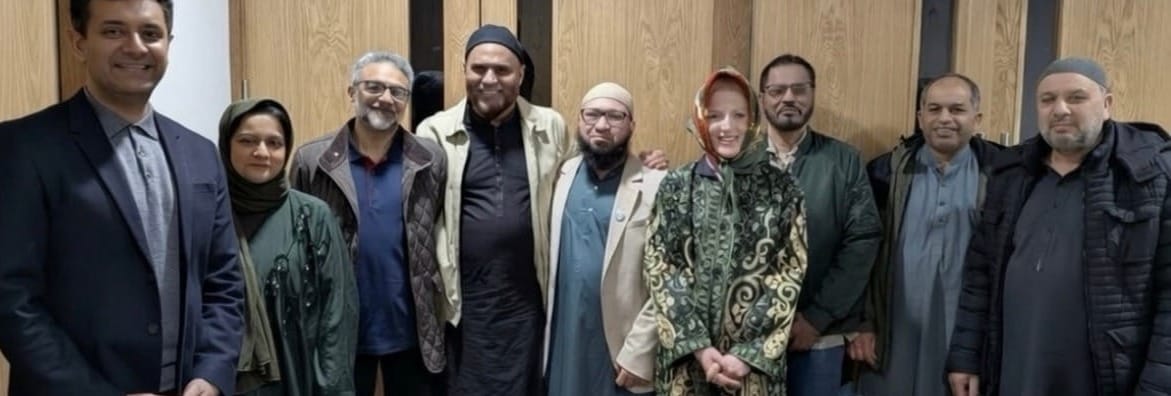
In these networks, clan loyalty sits above religion or trend politics. Influence is built over years, through favours exchanged and patronage systems that operate below the waterline of public scrutiny. Labour has invested time in those relationships. They didn't start last month. They weren't improvised for this election.
The Greens mistook noise for leverage. They saw the Gaza protests, the social media campaigns, the angry young voices, and assumed this translated into electoral influence. They fundamentally misunderstood how embedded Labour is with key figures inside that community. Those relationships are established. They are understood. They are transactional.
The mosque leaders, the clan elders, the business networks that stretch from Manchester to Mirpur will not deliver sackfuls of postal votes for a trans supporting, crack cocaine legalising political party just because it supports their views on Gaza. They need something in return. Here, Labour offers more than any other party.
And for those paying attention, the photograph Labour politicians themselves shared from the event was not accidental. See the gangster-endorsed leader stood at the front of the room, in front of hundreds of supporters. That image was a message. This is how power works. This is who delivers the vote.
The Real Battleground
But that photograph tells only part of Labour's story in Denton and Gorton. This seat isn't won or lost in one community hall. It's a three-front war, each requiring different tactics, different promises, different methods of control.
Start with Longsight, where that photograph was taken. This is Labour's foundation, and without it, everything else collapses. The Green Party tried to crack this base through Gaza activism and younger Islamist-aligned campaigners. They brought energy, anger, ideological purity. What they didn't bring was infrastructure.
They haven't displaced the existing power brokers because they don't understand what those power brokers actually deliver. This isn't about winning hearts and minds through policy debates on Middle East foreign policy. This is about turning out a disciplined vote through networks that have operated for decades. Access to councillors when your cousin needs a licence variation. Access to immigration lawyers when your nephew's visa application hits problems. Access to the housing department when your family needs a bigger property.
These are the transactions that matter. Not social media campaigns about Gaza. Not university students with Palestinian flags. Practical power exercised through practical networks that stretch back generations.
If Longsight delivers, Labour stays competitive. If the clan votes fracture between Labour and Greens, if young activists succeed in breaking the established patterns, the seat goes. There is no cushion without Longsight voting en masse.
But holding Longsight means managing erosion elsewhere. In Levenshulme, Labour is bleeding White progressive voters to the Greens. Not dramatically. Not overnight. But incrementally, steadily, in ways that add up. Younger professionals who rent rather than own. Activists who want something louder and more ideological than Keir Starmer's managed moderation. University-educated voters who see the Greens as the authentic left option while Labour triangulates toward the centre.
Labour cannot dominate Levenshulme anymore. The demographic shift is real. The ideological shift is real. The objective is containment. Keep the losses tight, prevent a wholesale exodus and maintain enough of the base to stay competitive. This requires completely different messaging. In Longsight, Labour emphasises community connections and practical delivery. In Levenshulme, Labour emphasises environmental commitments and progressive credentials. Different audiences. Different promises. Same party.
But there is one message that stays consistent across both communities. How Labour presents Reform. In Longsight, Reform is the far-right threat to community cohesion, the party of hate that would tear apart the multicultural fabric that makes Manchester work. In Levenshulme, Reform is the far-right threat to progressive values, the party of division that represents everything educated, liberal voters should fear and oppose.
Same weapon, different justification. In both areas, Labour brands Reform as beyond the pale of acceptable politics. Not a legitimate opposition party with different policies, but a dangerous extremist movement that decent people must unite against. This isn't policy debate. This is tribal mobilisation through manufactured fear.
The genius is that it works in both directions. Pakistani voters in Longsight hear that Reform threatens their community directly. Progressive voters in Levenshulme hear that Reform threatens their values fundamentally. Both conclude that however disappointed they might be with Labour, Reform represents something far worse.
This is Labour's insurance policy against vote-splitting. They can afford some defection to the Greens in Levenshulme as long as nobody defects to Reform. They can manage some Green activism in Longsight as long as the community power brokers understand that Reform is the real enemy. By presenting Reform as the existential threat, Labour forces tactical voting even from voters who've lost enthusiasm for Labour itself.
Every percentage point lost in Levenshulme must be compensated elsewhere. Which brings us to the third front, Denton itself.
Where Labour's Past Meets Its Future
Denton presents Labour's most complex challenge because it represents everything the party used to be and struggles to remain. Unlike Longsight or Levenshulme, Denton has seen far less demographic churn. The town is older, predominantly White, shaped by post-industrial decline and the collapse of manufacturing employment that once sustained entire communities.
Denton historically leaned Labour not through ideological fervour or community activism, but through habit. Trade union roots running back generations. Family loyalty passed down from fathers who worked the mills to sons who struggle in zero-hours retail jobs. This was Labour's heartland, built on class solidarity and collective memory.
But that loyalty now sits alongside profound disengagement. In May's local elections, Denton West managed just 32% turnout. All three Denton wards returned Labour councillors, but these were routine wins in low-participation contests where established machines face minimal challenge. When only a third of voters show up, incumbency provides every advantage.
And this is Labour's strategy in Denton. Do nothing to change that. Don't provoke. Tread lightly. Leave things exactly as they are. Keep turnout low.
Labour has learned that political sedation works better than political inspiration in places like Denton. High turnout means energised voters, and energized voters in post-industrial towns don't tend to vote Labour anymore. They vote for whoever promises the most dramatic change, the loudest disruption, the angriest opposition to the status quo that has failed them.
So Labour offers nothing dramatic. No bold promises about industrial renewal. No passionate speeches about working-class solidarity. No campaigns that might remind Denton voters how much their lives have deteriorated under successive Labour and Conservative governments.
Instead, Labour maintains the machinery of low-energy democracy. Councillors who turn up to ribbon cuttings. MPs who issue bland statements about local concerns. A political presence that reassures without inspiring, that maintains visibility without generating excitement.
This strategy is calculated. Labour has discovered that in communities where inherited loyalty battles accumulated disappointment, the safest strategy is political anaesthesia. Keep people calm. Keep expectations low. Keep turnout manageable.
Here's what makes Denton dangerous for Labour. It has exactly the demographic profile Reform targets nationally. Older voters frustrated with economic stagnation. Brexit-supporting communities who feel abandoned by metropolitan politics. Working-class voters who see both major parties as serving different constituencies entirely.
But those voters only become dangerous if they actually vote. Labour's entire Denton strategy depends on ensuring they don't. Let them grumble on Facebook. Let them share Reform videos. Let them complain about immigration and crime. As long as they don't translate frustration into the mundane act of walking to a polling station on a Thursday evening, Labour wins.
The difference is organisation. Reform has the message but lacks the ground operation to convert demographic alignment into organised votes. They can identify their voters but cannot reliably turn them out. More crucially, they haven't recognised that Labour's real strategy is to keep their voters sleeping.
The Reform Question
Which raises the fundamental question about Reform's prospects. Will the angry White vote be enough? Will they even come out?
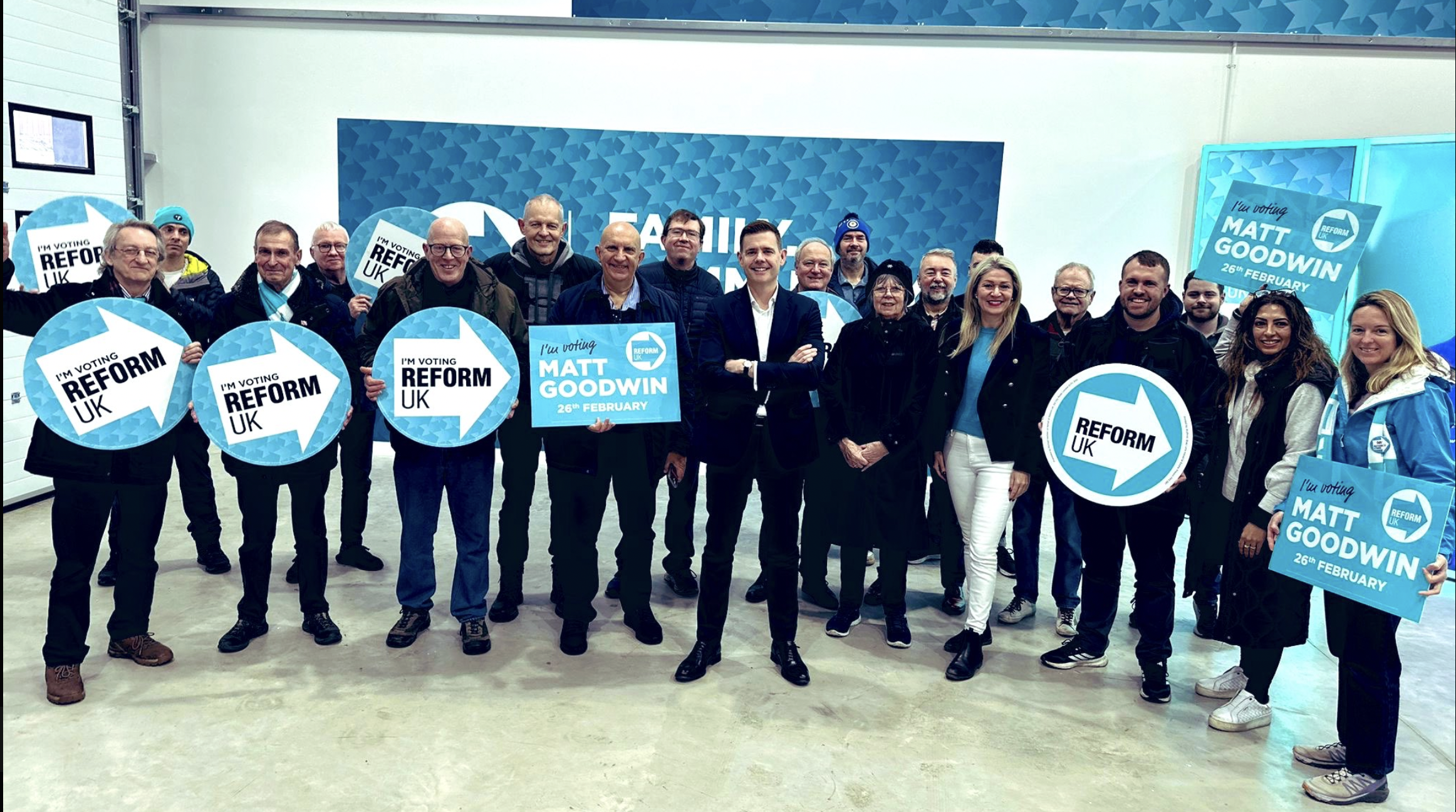
The demographics are there. The frustration is real. Drive through Denton and you'll find exactly the voters Reform needs, men and women in their fifties and sixties who watched their industries disappear, who see their communities transformed, who feel politically homeless since Labour moved to Islington.
The women especially. They're managing household budgets stretched thinner every year. They're watching high streets die while new shops open with signs in languages they don't recognise. They're dealing with reduced bus services, closed libraries, longer NHS waiting times. They're the ones fielding their teenage daughters' complaints about feeling unsafe walking home. They're juggling care for aging parents while worrying about their own pensions.
These people have watched decades of politicians who never represented them in the first place. They've seen their voices dismissed as backwards, their concerns branded as bigotry, their communities written off as lost causes by parties that moved on to more profitable demographics.
But demographics don't vote. People do. And in places like Denton, apathy runs deeper than anger.
These aren't activists waiting to be mobilised. They're not political obsessives scrolling social media for the latest outrage. They're people who've been ignored by the entire political system for thirty years. They've watched Labour chase metropolitan progressives while the Tories courted southern suburbanites. Nobody has asked for their vote in decades, not seriously.
Reform can identify its voters, but can it turn them out? Can it overcome the accumulated cynicism of communities that stopped believing politics was ever meant for them? Can it convert frustration into the mundane act of walking to a polling station on a Thursday evening?
The evidence suggests not. These voters might tell pollsters they support Reform. They might share angry posts on Facebook. They might grumble about immigration and crime and the state of everything. But when it comes to actually voting, they often don't bother. Why would they? Politics never bothered with them.
A question for you - who will knock on their door the day after the election? They know. As do you. No one.
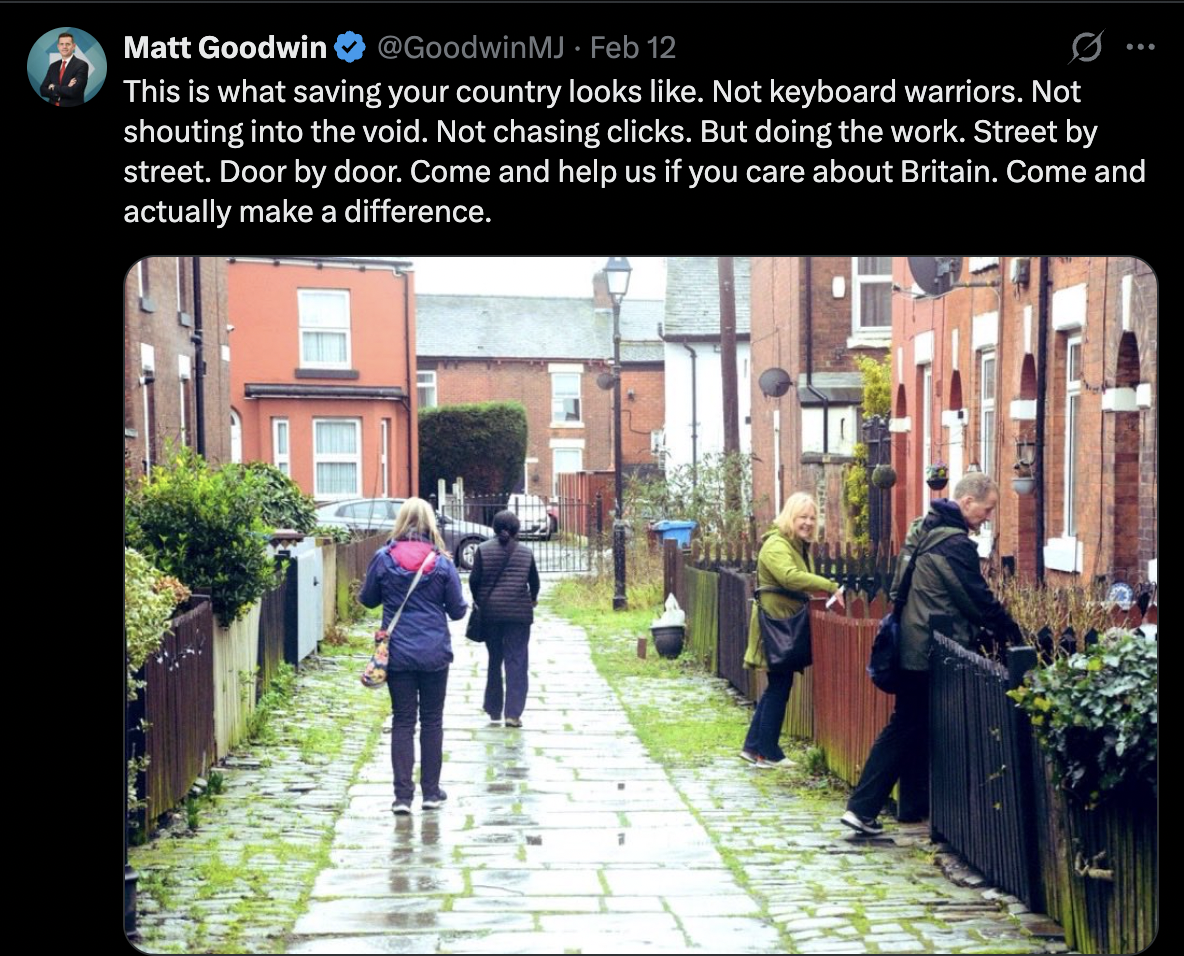
Apathy is entrenched. It's been building for decades. It won't be shifted by social media campaigns or angry rhetoric alone. It requires the kind of sustained local organising that Reform simply doesn't possess. It is more than door-to-door canvassing, voter identification, get-out-the-vote operations that can drag reluctant supporters to polling stations. It is community building.
Labour has that history and also the infrastructure. Reform is still learning. Labour knows which doors to knock on in the final week of the campaign. Reform is still learning which streets its voters live on.
We’re running out of time. Without the numbers, they will win. It’s as simple as that. Subscribe to my newsletter and support the work for just 75p a week (£3/month or £30/year).
The Numbers Game
But here's the arithmetic that makes Reform's task even more daunting. Even if they could mobilise every disaffected voter in Denton, would it be enough?
Look at how this constituency breaks down. While the name Gorton and Denton suggests a balanced partnership, the electoral weight is firmly anchored in Manchester. The constituency's Tameside portion consists of the three Denton wards (West, North East, and South), but these are outweighed by four high-density Manchester wards: Gorton & Abbey Hey, Longsight, Levenshulme, and Burnage. Because the Manchester wards have significantly larger populations, they account for roughly two-thirds of the total electorate, making the "Gorton" side the dominant force in any vote.
Denton might feel like the natural Reform territory, but it's the smaller partner in this marriage. Even if Reform swept all three Denton wards and won every disaffected former Labour voter, turned out every frustrated Brexit supporter, mobilised every angry white working-class household, they'd still need to win votes elsewhere to take the seat.
And that's where the numbers turn against them. In Longsight, Reform has no infrastructure, no relationships, no message that resonates with Pakistani clan networks or Bangladeshi business communities. In Levenshulme, Reform competes with the Greens for anti-Labour votes, splitting the opposition while Labour holds its base. In Gorton and Rusholme, Reform faces diverse populations where their core message lands differently, if it lands at all.
Labour's genius is recognising that this isn't one constituency but seven different electoral contests. They can afford to lose ground in Denton if they hold their advantages elsewhere. They can manage erosion in Levenshulme if Longsight delivers disciplined votes. They can survive splits and defections as long as their opposition remains fragmented across multiple parties and multiple messages.
Understanding the Game
This is Labour's game plan for winning Denton and Gorton. Not through inspiring vision or transformative policy, but through understanding exactly how power operates in each community. Through knowing which leaders deliver which votes. Through maintaining transactional relationships that have operated for decades. Through ensuring opponents remain divided, disorganised, or disengaged.
The Greens thought they could disrupt this system through ideology and activism. They discovered that clan networks don't respond to university politics. They learned that established power brokers don't yield to social media campaigns. They found out that influence built over decades doesn't crumble because young activists feel passionate about Gaza.
Reform faces a different but equally fundamental problem. They have the right message for Denton's demographics, but they lack the machinery to turn demographic advantage into electoral victory. They're betting that anger alone will overcome apathy. That's a dangerous bet in communities where cynicism about politics runs bone-deep.
Worse, they're fighting for the wrong prize. Even total victory in Denton wouldn't deliver the constituency. The electoral mathematics work against them. The Manchester wards hold more votes than the Denton wards, and Reform has no strategy for winning Manchester votes.
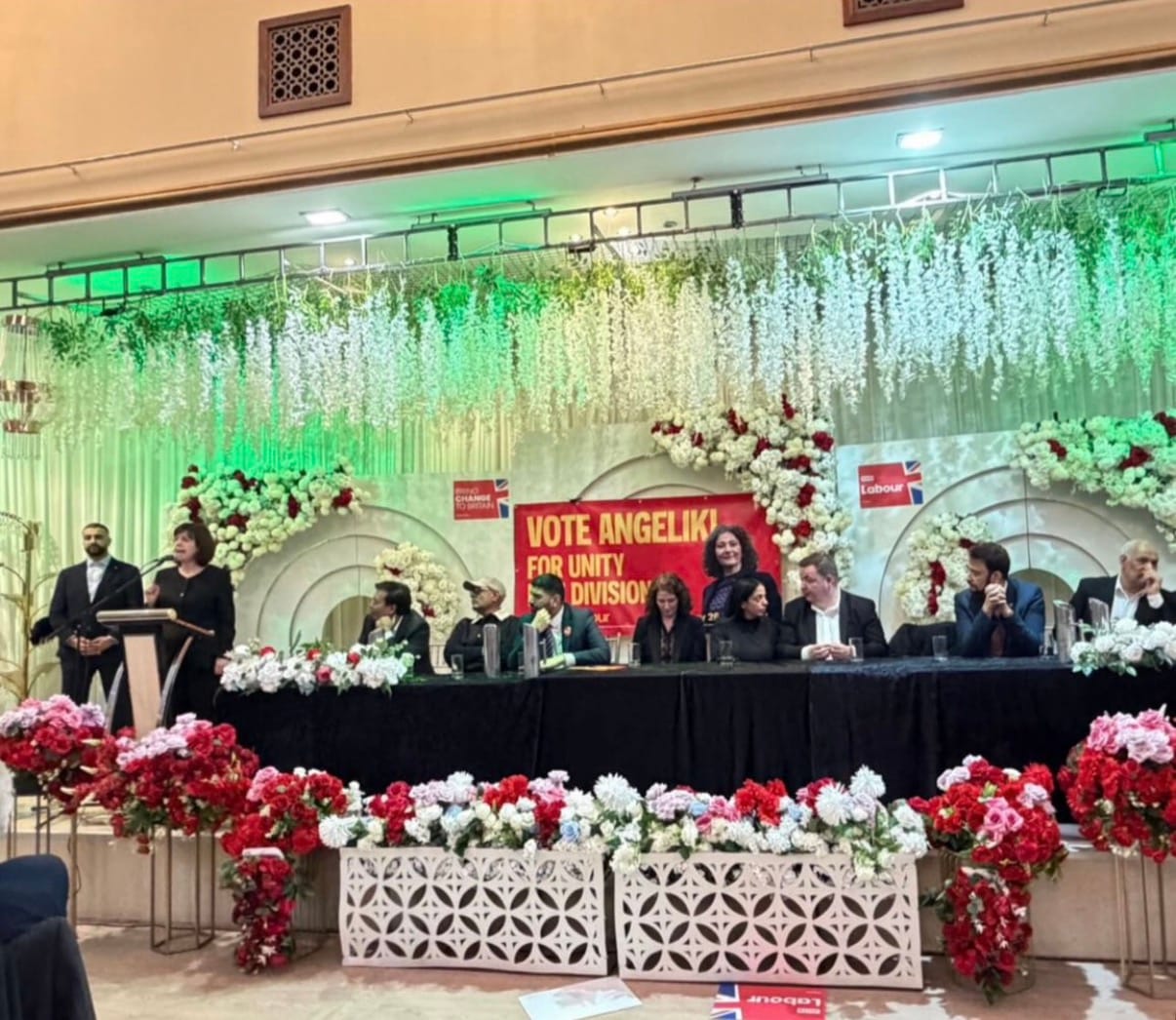
The photographs Labour released wasn't about democracy. It was about demonstrating control. Labour wanted everyone to see exactly who stands with them, exactly who delivers the vote, exactly how the system actually works beneath the surface of electoral politics.
The Greens mistook noise for power. Reform risks misunderstanding anger for organisation. Labour knows the difference between having supporters and having voters. Until its opponents understand that distinction, until they build the machinery that can reliably turn demographic alignment into disciplined turnout across all seven wards, Labour will continue winning seats like Denton and Gorton through superior understanding of how electoral politics actually functions.
This is the sad reality of politics in 21st century Britain. Focus on where you are strong and ignore where you are not. It is more divided than ever. More entrenched. And should Reform fail to mobilise the vast majority that are apathetic, more broken than it ever has been.
The photographs released by Labour were just the latest reminder of a system that has given up on bringing people together and settled for managing them apart. Now remind me again, which party is actually practicing division?
This isn't about politics anymore. It's about preservation - a ruling clique defending its own survival, even if it means abandoning the very people they swore to protect.
I am Raja Miah. For seven years, I led a small team that exposed how politicians protected the rape gangs. I cannot do this on my own. I need you to stand with me.
We’re running out of time. Without the numbers, they will win. It’s as simple as that.
🔴 Subscribe to my newsletter – it’s free. Or support the work for just 75p a week (£3/month or £30/year). Whatever you do, please subscribe;
🔴 If you can’t commit to a regular subscription, a one-off contribution genuinely helps keep this alive:
👉 http://BuyMeACoffee.com/recusantnine
👉 http://paypal.me/RecusantNine
We’re up against a machine, politicians, police, officials, and media, working together to shrink, sanitise, and bury the truth. This work survives because of you.
If you’ve ever shared my posts, learned something, or felt less alone reading them, stand with me. I need your help.
- Raja 🙏