Before a Single Witness Is Called, the Rape Gang Evidence May Already Be Gone
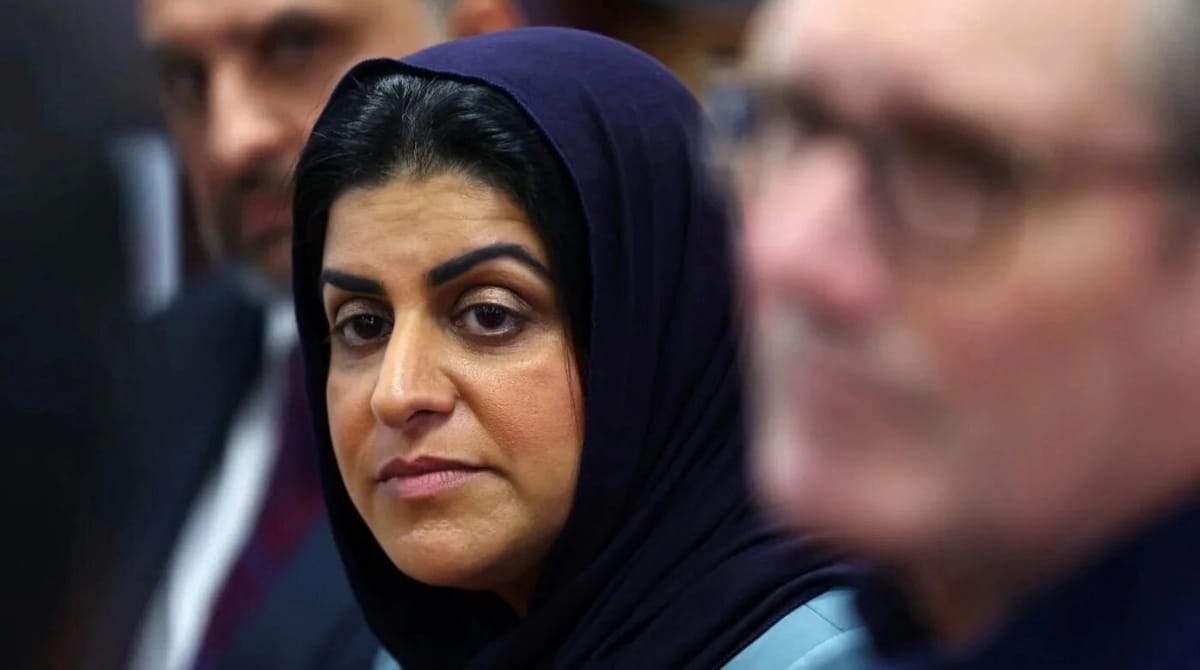
This government buried the Pakistani rape gang scandal for years. When it finally conceded an inquiry, it then failed to protect the evidence. That is not incompetence. That is a cover-up.
Before the Inquiry Begins, the Evidence May Already Be Gone
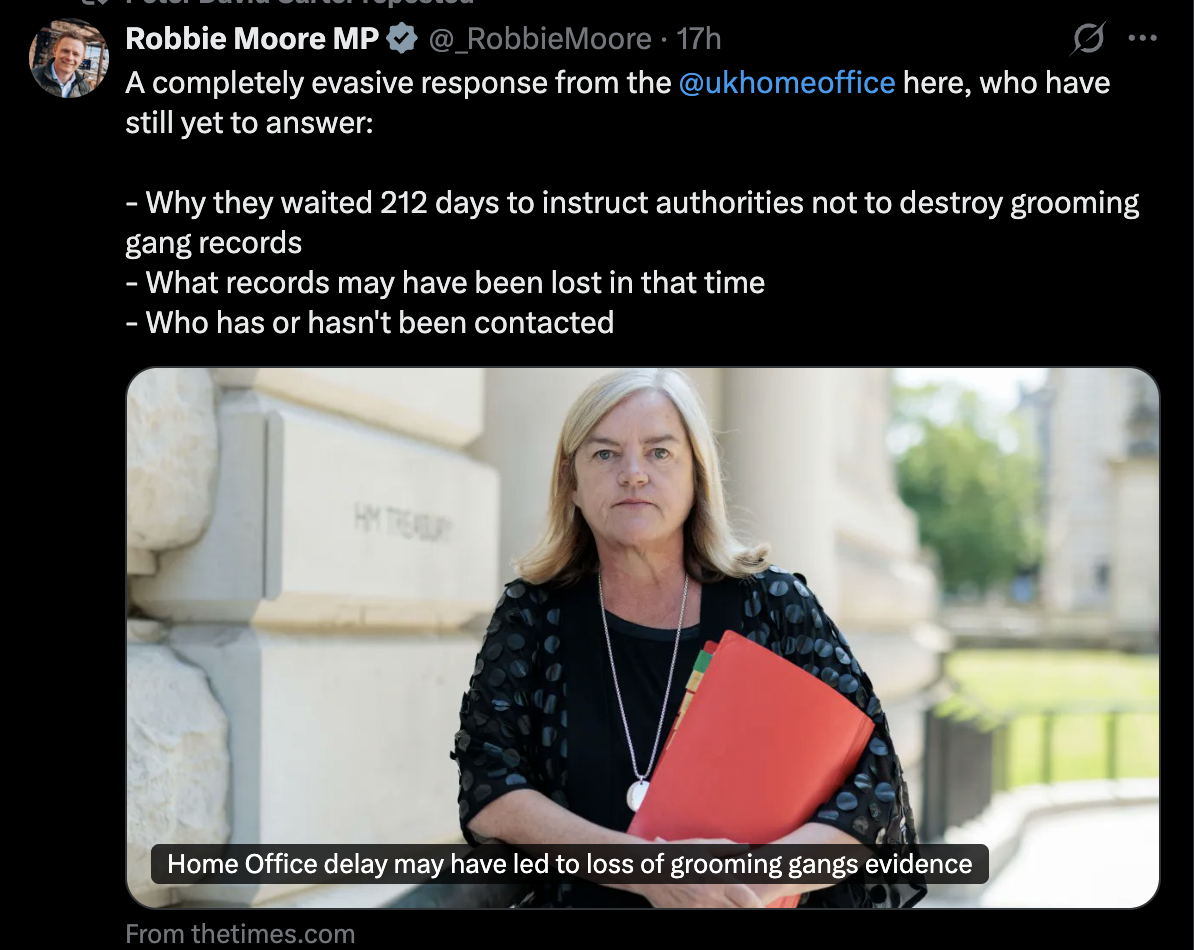
Robbie Moore, the Conservative MP for Keighley and Ilkley, spent months submitting Freedom of Information requests. He had found out that authorities in Bradford had received no instruction from the government to preserve records relevant to the national grooming gangs inquiry. What he got back confirmed what he suspected. The Home Office had been told in June last year to issue that instruction immediately. It did not write to the National Police Chiefs' Council until the 14th of January.
Seven months. Police forces and local authorities received nothing. The agencies that failed these children continued destroying records under deletion policies nobody had told them to suspend.
The Home Affairs Select Committee has now written to the Home Secretary. Relevant evidence may already be gone. It is the latest act in a cover-up that did not begin with a missing letter and will not end with one.


The Report That Buried the Pakistani Rape Gangs
In 2018, Sajid Javid, then Home Secretary, promised a review into the characteristics of grooming gang offending. No no-go areas, he said. No cultural or political sensitivities allowed to get in the way. By 2019 the review had been shelved. A Freedom of Information request seeking its contents was refused on the grounds that it concerned the development of government policy. It took a petition of 131,000 signatures to force its publication in December 2020.
What emerged was not an honest examination of what had happened in Rotherham, Rochdale, Telford and Oldham. It was its opposite. The report concluded that grooming gang offenders are most commonly white and that the data was insufficient to draw conclusions about the over-representation of any ethnic group.
The fact that ethnicity had not been properly recorded for the vast majority of cases, itself a documented institutional failure, was presented not as a finding requiring investigation but as a reason why no conclusions could be drawn. The absence of data was used to erase the pattern the data pointed to.
For years after its publication, anyone who raised the ethnic dimension of the rape gang scandal was met with that report. Politicians cited it. Journalists repeated it. Councils and police forces used it to close down any question about who the perpetrators were. Those who persisted were dismissed as far-right agitators weaponising the abuse of children for racist ends. The report did not merely fail to examine the Pakistani rape gangs. It provided the machinery by which that examination could be refused for years. It was an instrument of the cover-up.
The Inquiry That Was Never Going to Look
In 2022, after seven years and £186 million, Professor Alexis Jay published the final report of the Independent Inquiry into Child Sexual Abuse. The inquiry had burned through four chairs, made twenty recommendations, and produced a government response that accepted eighteen of them and implemented none. By 2024 Jay was publicly expressing frustration that two years had passed without action.
The deeper problem with IICSA was not what happened to its recommendations. It was what the inquiry had chosen not to examine.
IICSA was established in 2014 following the Jimmy Savile scandal and the institutional abuse allegations it brought to light. Grooming gangs were not the reason it existed. When IICSA eventually produced a report on child sexual exploitation by organised networks, it excluded Rotherham, Telford, Oldham, Rochdale and Oxford on the grounds that those towns had already been subject to local investigations. The towns where the pattern was clearest and the prosecutions most numerous were the ones the national inquiry chose not to examine.
The chapter that remained acknowledged that many high-profile prosecutions had involved men from minority ethnic communities but concluded that poor data collection made it impossible to know whether any ethnic group was over-represented.
- It did not examine why Pakistani-heritage men appeared so consistently in those high-profile prosecutions.
- It did not ask whether the failure to record ethnicity data, a failure it documented across all six of its case study areas, was itself a product of the institutional avoidance that had allowed the abuse to continue.
- It noted that it was unclear whether a misplaced sense of political correctness had contributed to the recording failures.
- It drew no conclusions.
- The absence of data was used, as it had been in the 2020 Home Office report, as the reason the question did not need to be answered.
Anyone who raised the Pakistani rape gangs was now facing not one official document but two, both produced at public expense and both pointing away from the truth.
When Labour came to power in 2024, its position was that IICSA had settled the matter. The inquiry that had excluded Rotherham and Rochdale and Telford, that had looked at the ethnic dimension of the rape gang prosecutions only long enough to conclude the data was insufficient, that inquiry, the new government said, was sufficient. There was nothing left to examine and the case was closed.
Five Inquiries. No Powers. No Money. No Chance.
In January 2025, under pressure that had become impossible to contain, the government announced what it described as a new package. Five local, non-statutory inquiries, Oldham confirmed and four other areas unnamed. A shared fund of £5 million. Tom Crowther KC, who had chaired the Telford inquiry, would develop a framework. Baroness Casey would conduct a rapid three-month national audit, the results of which would not be fed back to the Home Office for a national response.
None of the five inquiries would have statutory powers. They could not compel witnesses or demand documents. The councils that had presided over the abuse would be leading investigations into themselves, applying for a share of £5 million between however many local authorities chose to participate.
Oldham Council had already voted unanimously to demand a statutory public inquiry. Jess Phillips had taken four months to respond to that request before refusing it. The package announced in January was the answer to that refusal. It was local, non-statutory, and built to fall short.
By April, even that had been dismantled. With 45 minutes' warning, the day before Parliament went into Easter recess, Phillips appeared at the despatch box and announced that the five local inquiries would not be happening as promised. Local authorities could instead apply to the £5 million fund for victims' panels, locally-led audits, or other bespoke work. The councils would mark their own homework and the fund would be flexible. The inquiry was gone.
What Casey Found
The government commissioned Baroness Louise Casey in February 2025 to conduct a rapid national audit. The fieldwork ran through March, April and May. It was not a statutory inquiry. It was presented as a precursor to one, a way of establishing the evidence base. In practice it was the last available mechanism for avoiding the thing survivors had been demanding for years while appearing to take the issue seriously.
Casey did not produce the report the government had perhaps expected.
She found that ethnicity data had not been recorded for two thirds of grooming gang perpetrators nationally. The information had been available. Recording it had been actively resisted. She found a case file in which the word Pakistani had been tippexed out. She found that warnings about inadequate ethnicity recording had been made for thirteen years without action.
Data from three police forces, Greater Manchester, South Yorkshire and West Yorkshire, showed clear over-representation of men of Asian and Pakistani heritage among perpetrators in multi-victim, multi-offender cases. In Greater Manchester, over a three-year period, 52 per cent of offenders in such cases were recorded as Asian, with Pakistani-heritage men the largest subgroup, against a local population that was 21 per cent Asian. She found children as young as ten, many already in the care of the state, targeted by organised gangs. She described the institutional response as obfuscation. Decades of it.
She made twelve recommendations. Among them was the national statutory inquiry the government had spent months insisting was not needed. The Home Secretary stood at the despatch box and called the findings damning. The government accepted all twelve recommendations. Keir Starmer, who had said there had been too many reviews and it was time for action, announced another inquiry.
Buried within those twelve recommendations, specified without ambiguity, was an instruction that required neither legislation nor budget. Local authorities, police forces and other relevant agencies were required not to destroy any relevant records. Required. Not asked, not advised.
Bradford: Seven Months, No Instruction
Moore had been fighting for a Bradford inquiry for years. He had watched Bradford Council, the Mayor of West Yorkshire Tracy Brabin and the Deputy Mayor for Policing and Crime Alison Lowe repeatedly reject calls for an inquiry into what had happened in their district. He and solicitor David Greenwood had presented the Home Office with a dossier suggesting that over 72,000 children may have been at risk of exploitation across the Bradford District between 1996 and the present day. Bradford's political leadership had said no. The government had not overruled them.
 David Greenwood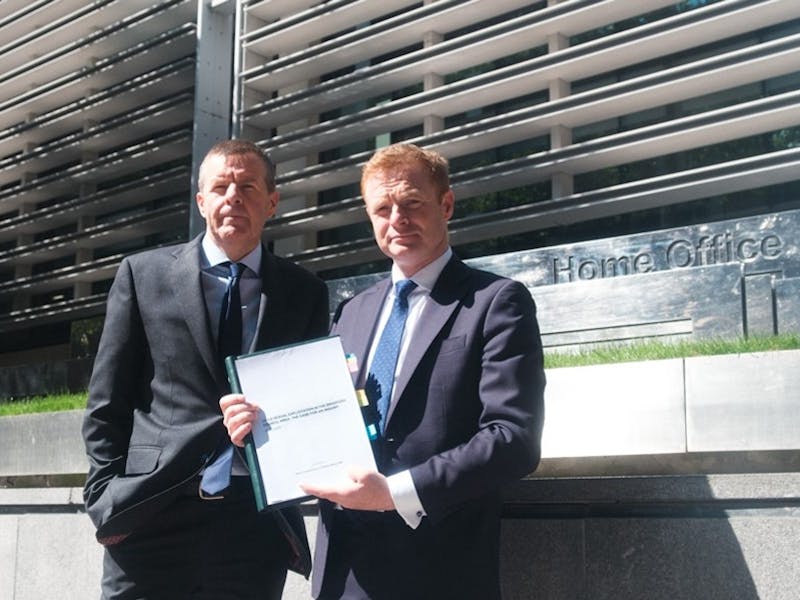
In December 2025 he discovered that Bradford had received no instruction from the government to preserve records relevant to the national inquiry. The area at the centre of some of the most serious and long-running demands for accountability had been left, since June, to apply its own deletion policies to exactly the material the inquiry would need.
Moore submitted Freedom of Information requests. What came back confirmed the picture. West Yorkshire Police and other local agencies had received no formal direction to retain records. He raised the alarm publicly, asking why, what had been lost, and what the legal consequences would be if material had been destroyed while the Home Office sat on a requirement it had been given in June.
The answer that eventually emerged was that the Home Office had not written to the National Police Chiefs' Council until the 14th of January 2026. Seven months after Casey required it.
Parliament Was Not Told
Dame Karen Bradley, who chairs the Home Affairs Select Committee, wrote to the Home Secretary. Her letter did not ask whether the delay was unfortunate. It stated that the failure to provide timely direction to local authorities, police forces and other relevant agencies meant that some records which may be relevant to the independent inquiry into grooming gangs might have been destroyed.
She asked the Home Secretary to disclose what assessment had been made of the risk the delay had caused, what potential legal action could follow, and whether the Home Office had even established which agencies had destroyed records during the seven-month gap.
The committee also asked whether the Home Office had been fully transparent with Parliament.
In December, before Moore's Freedom of Information requests had produced their results, Dame Antonia Romeo appeared before the Home Affairs Select Committee. She was then the permanent secretary at the Home Office. She told the committee the department expected records to be preserved. She did not tell them that no formal instruction had gone to police forces, or that Bradford and other areas had received nothing. She knew, or should have known, that the requirement Casey had set out in June had not been met. She offered reassurance she was not in a position to give. Dame Antonia Romeo is now the cabinet secretary.
The Inquiry Chair Had to Force Their Hand
The January 14 letter to the National Police Chiefs' Council was not issued because the Home Office had finally decided to act on Casey's requirement. According to reporting by the Times this week, it was issued because Anne Longfield had forced the issue.
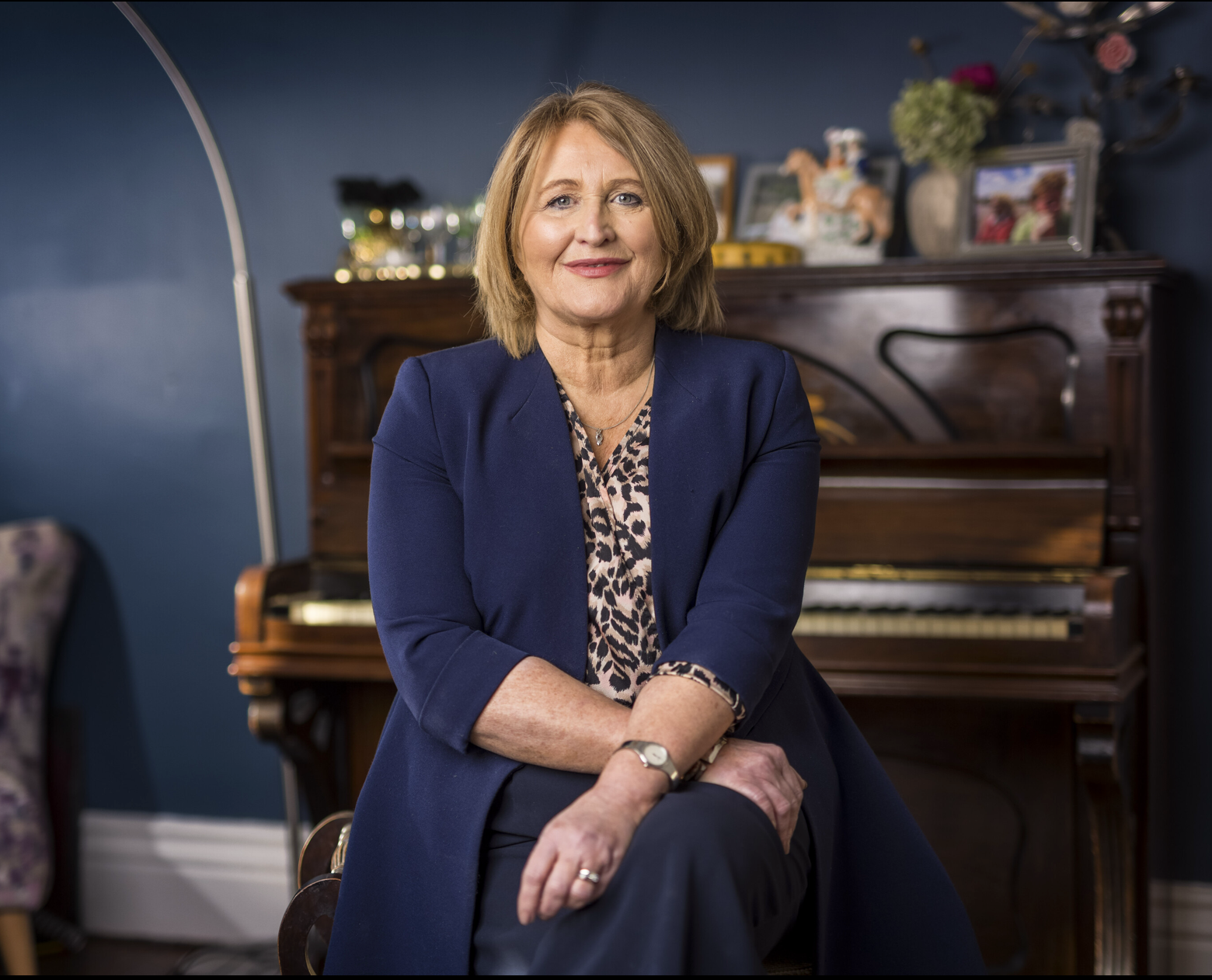
Longfield, appointed as inquiry chair in December, had written to the cabinet secretary warning that no instruction had been sent to police forces telling them to preserve records relevant to the inquiry she was about to lead. She demanded action.
The woman appointed to lead the national inquiry into grooming gangs had to write to the government to secure the basic step required to protect the evidence her own inquiry would need.
Only after that letter did the Home Office write to the National Police Chiefs' Council. That letter went to the police. What local authorities and councils received, and when, is a separate question. The Home Office says it worked across government departments from September onwards to ensure records were retained. Government departments are not the same as local councils. The Home Affairs Select Committee's letter to Shabana Mahmood specifically asks whether the department has established which local authorities, police forces and other agencies have destroyed relevant records. The committee is still trying to find out. Nobody currently knows the full extent of what has been lost.
The Home Office Has No Answer
The Home Office response to all of this is brief. Since Casey's audit, a spokesperson said, it has worked across government to ensure records relevant to the draft terms of reference are appropriately retained. The inquiry has statutory powers to order the production of documents. Failure to comply without reasonable excuse is a criminal offence punishable by imprisonment.
That response does not address the seven-month gap, or explain why the instruction required Longfield to intervene before it was sent, or account for what happened to records destroyed between June and January under deletion policies that nobody suspended. The statutory powers argument is not an answer to the central problem. The inquiry can imprison a council officer for refusing to hand over a file. It cannot reconstitute a file that was deleted in August because nobody told the council to keep it.
The Home Office also pointed to a moratorium on the destruction of material relevant to the former Independent Inquiry into Child Sexual Abuse, which it says remains in place. IICSA is the inquiry that excluded the towns where the rape gangs operated and categorised the question of who the perpetrators were as a problem of media framing. A moratorium protecting records relevant to that inquiry is not the same as protecting records relevant to this one.
This Is What a Cover-Up Looks Like
The survivors who spent years being told a statutory inquiry was not needed have now got one. What they have not got is the evidence it depends on.
Casey required the preservation of records in June. Three months later the Home Office told its own departments that records should be retained. It did not write to police forces for seven months, and moved only when the inquiry chair forced the issue.
What instructions, if any, went to local councils and local authorities remains unclear. The Home Affairs Select Committee is still trying to establish that.
Meanwhile the Home Office's most senior official sat before that same committee in December and told them the department expected records to be preserved, without disclosing that no instruction had been issued to police forces. That official is now the cabinet secretary.
This is not a bureaucratic failure. Bureaucratic failures are unintentional. This is a government that spent years finding reasons not to examine what happened in Rotherham, Rochdale, Telford, Oldham and Bradford. That commissioned a report in 2018 and buried the ethnic reality of the rape gangs. That used IICSA, an inquiry that never looked at the rape gangs, as the reason an inquiry into the Pakistani rape gangs was not needed. That refused Oldham's request, killed the five local inquiries, and conceded a national statutory inquiry only when Casey made the alternative politically impossible.
And then, having conceded the inquiry, allowed the evidence it would need to expire and risk destruction.
Whether anyone in government wanted this inquiry to succeed is the question the evidence now forces. On the available record, the answer is obvious.
I am Raja Miah. Seven years ago I began exposing how politicians protected the rape gangs.
The truth can no longer be buried. The Pakistani rape gangs are real. Their victims number in the hundreds of thousands. And the cover up is still ongoing.
Now the National Inquiry is about to begin. This is our one chance to stop another whitewash. But that will only happen if enough people know the truth and are willing to fight back.
Despite the media blackout, Red Wall and the Rabble has grown to nearly 10,000 subscribers. Every new subscriber makes it harder for them to bury this story. Every share makes it harder to dismiss the evidence. Every voice raised brings justice closer.
🔴 Subscribe for free or support the work for just 75p a week or £30 for the full year
🔴 Prefer a one-off contribution?
👉 http://BuyMeACoffee.com/recusantnine
👉 http://paypal.me/RecusantNine
This is the fight. This is the moment. There will not be another.
– Raja Miah MBE